



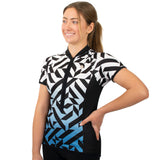
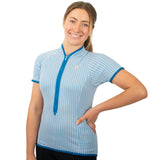
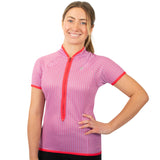
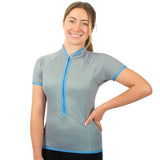
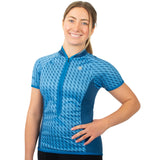
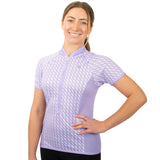
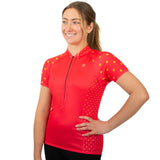
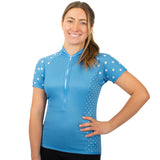


When it comes to women's cycling apparel, technical fabrics are all about improving your comfort and performance. These materials go beyond basic clothing by focusing on three key features: breathability, compression, and chafe reduction.
- Breathability: Keeps you cool and dry by wicking sweat and improving airflow.
- Compression: Supports muscles, boosts circulation, and reduces fatigue during and after rides.
- Chafe Reduction: Prevents skin irritation with moisture-wicking fabrics, flat seams, and well-designed padding.
Choosing the right gear means focusing on these features, ensuring proper fit, and caring for the fabrics to maintain their performance. From managing sweat to supporting muscles, these fabrics are designed to make your rides smoother and more enjoyable.
Polartec Cycling - The Science of Cycle Clothing
Breathability: How Fabrics Keep You Cool and Dry
When you're pushing your limits on high-intensity rides, your body generates heat and sweat. Breathable fabrics step in to manage this, drawing moisture away from your skin and helping to regulate your body temperature. This keeps you comfortable and performing at your best.
How Breathable Fabrics Work
Breathable, moisture-wicking fabrics rely on capillary action to move sweat from your skin to the fabric's outer surface. Materials like polyester, nylon, and Olefin are designed with tiny channels that facilitate this process.
These fabrics function with a clever two-layer system. The layer closest to your skin repels water (hydrophobic), pushing sweat outward. Meanwhile, the outer layer attracts water (hydrophilic), spreading the moisture across a larger area. This setup allows sweat to evaporate quickly, creating a cooling effect that helps stabilize your body temperature. To enhance this effect, many garments include ventilation panels or mesh inserts, which improve airflow and speed up evaporation.
Materials Used for Breathability
Polyester blends are a go-to choice for breathable fabrics, thanks to their excellent ability to manage moisture. Mesh fabrics are often integrated into ventilation panels, working with your body's airflow to keep you cool.
For those seeking a natural option, merino wool is a standout. It effectively wicks moisture while regulating temperature in both hot and cold conditions. Olefin fibers, known for their hydrophobic properties, are also incorporated into some fabrics to further enhance moisture transport.
These carefully chosen materials lay the foundation for advanced features like compression, which we'll delve into next.
When to Choose Breathable Fabrics
If you're gearing up for a hot day or an intense ride, opt for jerseys and shorts with strong moisture-wicking capabilities and ventilation panels. For longer rides, look for fabrics that manage sweat effectively to prevent chafing. In cooler weather, seek a balance between breathability and warmth.
One tip to keep in mind: skip the fabric softeners when washing moisture-wicking garments. They can clog the fabric's tiny channels, reducing its effectiveness.
Up next, learn how compression can take your performance to the next level.
Compression: Support and Performance Benefits
Compression fabrics do more than just provide a snug fit - they actively support your muscles during cycling. By applying controlled pressure to targeted areas, these fabrics enhance both comfort and performance, making a noticeable difference during and after your ride. The combination of advanced materials and thoughtful design plays a key role in delivering these benefits.
How Compression Works on Your Body
When compression fabrics gently press against your muscles, they trigger several positive effects. First, they improve blood circulation by helping push blood back toward your heart, minimizing pooling in your legs during rides. Better circulation ensures that your muscles get more oxygen and nutrients while efficiently clearing out waste products like lactic acid, which can boost both performance and recovery.
Cycling involves repetitive pedal strokes, which can cause muscle vibrations that lead to fatigue. Compression garments help stabilize your muscles, reducing these vibrations and allowing them to work more efficiently.
Another benefit is improved proprioception, or your awareness of muscle position and movement. This heightened sense of control can refine your pedaling technique and overall form, especially during long rides when fatigue often sets in.
Many cyclists also report feeling less stiffness and soreness after wearing compression gear during intense rides. Next, let’s explore the fabrics that make these benefits possible.
Fabrics That Deliver Compression
Compression fabrics rely on blends of elastane (spandex) and fibers like polyester or nylon. Elastane, typically making up 15-25% of the blend, provides the stretch and recovery properties, while polyester or nylon adds durability and helps manage moisture.
Technical knit construction is another crucial factor. Manufacturers use advanced knitting techniques to create garments with varied compression zones. For example, cycling shorts might feature firmer compression around the quadriceps and glutes, while offering lighter compression around the waist for added comfort.
Four-way stretch fabrics are designed to move with your body in every direction - up, down, and side to side. This flexibility ensures the fabric won’t restrict your pedaling motion while maintaining consistent pressure. These fabrics also have excellent "memory", meaning they return to their original shape after stretching, so the compression stays effective throughout your ride.
Some garments incorporate graduated compression, which applies firmer pressure at the extremities (like your calves) and gradually lessens toward the core. This design promotes optimal blood flow and muscle support. To fully benefit from these features, a precise fit is essential.
Choosing the Right Compression Level
Selecting the right compression level is just as important as the fabric itself. Compression in cycling apparel typically ranges from light to firm, and your choice depends on your riding style and personal preferences.
- Light compression provides gentle support, making it ideal for casual rides or beginners trying compression gear for the first time.
- Medium compression strikes a balance between support and comfort. It’s a popular choice for most recreational and competitive cyclists, offering noticeable muscle stabilization and circulation benefits without being overly restrictive. Medium compression works well for long training sessions or century rides.
- Firm compression is favored by competitive cyclists or those seeking maximum muscle support. However, this level requires a precise fit to avoid discomfort or restricted movement.
The length and intensity of your ride also influence your choice. For shorter, high-intensity efforts, firmer compression can help maximize muscle support during peak performance. On the other hand, longer endurance rides often call for moderate compression that provides sustained benefits without becoming uncomfortable over time.
Comfort is highly subjective, and preferences vary widely among cyclists. Some enjoy the secure, tight feel of firm compression, while others find it distracting. Pay attention to how the garment feels throughout your ride - what feels good at the start should remain comfortable even after hours in the saddle.
Fit is critical when it comes to compression gear. If it’s too loose, you won’t experience the intended benefits. If it’s too tight, it can restrict blood flow or create pressure points. The goal is a snug fit that supports your muscles while allowing full range of motion for pedaling.
sbb-itb-5406885
Chafe Reduction: Preventing Friction and Discomfort
In addition to breathability and compression, anti-chafe design is a game-changer in women's cycling wear, offering comfort and functionality for every ride.
Chafing can ruin the experience of cycling, but technical fabrics and thoughtful design work together to prevent it. Knowing how cycling apparel reduces friction and manages moisture can help you stay comfortable, whether you're tackling a quick training session or a long-distance adventure.
What Causes Chafing and How Fabrics Help
Chafing occurs when constant friction irritates the skin, and it gets worse with sweat and heat. The repetitive motion of cycling combined with trapped moisture creates the perfect conditions for discomfort. Cotton, while soft, holds onto moisture, which increases friction and makes the problem worse.
Cycling-specific fabrics are designed to combat this. Synthetic materials like polyester and nylon blends are moisture-wicking, pulling sweat away from your skin to keep it dry. Flatlock seams are another key feature - they lie flat against the fabric, reducing raised edges that could rub and irritate sensitive areas.
Anti-Chafe Features in Cycling Apparel
Modern cycling gear is packed with features designed to minimize chafing. Seamless or low-seam construction eliminates many friction points. For areas where seams are unavoidable, manufacturers strategically place them in spots that experience less movement and pressure.
Cycling shorts, in particular, often include a well-thought-out chamois (padding) system. These are tailored to fit women's anatomy, offering zoned cushioning for saddle comfort. High-quality chamois use moisture-wicking fabrics and antimicrobial treatments to keep you dry and fresh on long rides. When combined with breathable materials, they help manage moisture and reduce irritation.
These design elements are especially important for cyclists with sensitive skin, who may be more prone to discomfort.
Choosing Apparel for Sensitive Skin
For those with sensitive skin or who plan on spending long hours in the saddle, selecting the right fit and fabric is crucial. Your gear should fit snugly - not so tight that it restricts movement, but not so loose that it creates excess friction.
Avoid cotton, as it holds onto moisture, and instead look for synthetic or wool blends that excel at moisture management. Pay attention to the fabric's thickness and stretch - thinner, flexible materials with four-way stretch move with your body, reducing the chance of abrasion and keeping you comfortable mile after mile.
How to Choose the Right Women's Cycling Apparel
When selecting cycling apparel, focus on features that enhance breathability, provide compression, and reduce chafing, tailored to your riding style and conditions.
Apparel Selection Checklist
Start by assessing your typical riding conditions and personal preferences. For warmer climates, prioritize fabrics designed for high breathability. In cooler weather, consider apparel with added compression for warmth and support. The length of your ride also matters - gear for a quick commute differs from what you’d need for a long-distance journey.
Fit is crucial. Your apparel should support your muscles without feeling restrictive. Too loose, and you lose the benefits of compression; too tight, and it could hinder blood flow. Pay close attention to seam placement as well. Look for flat or minimal seams in areas with a lot of movement, and ensure seams avoid pressure points to prevent irritation during extended rides.
Finally, proper care is essential to preserve these technical features and keep your gear performing at its best.
Caring for Technical Fabrics
Taking care of your cycling apparel ensures it lasts longer and performs well. Always follow the care instructions on the labels. Before washing, empty pockets, secure zippers, and turn garments inside out. For delicate items like base layers, consider using a mesh wash bag to avoid snags.
If your gear is muddy or sweaty after a ride, rinse it immediately to prevent stains and bacterial growth. If you can’t wash it right away, turn the damp clothing inside out and hang it up to air dry.
When it’s time to wash, use cold water (up to 85°F) and a gentle, eco-friendly detergent that’s free of dyes and perfumes. Wash on a delicate cycle with a low spin speed (below 600 rpm). Avoid fabric softeners, as they can leave a residue that reduces breathability and moisture-wicking capabilities. Also, steer clear of bleach or harsh detergents that might damage the fabric’s technical treatments.
For drying, air drying indoors in a well-ventilated space is ideal. If drying outdoors, turn garments inside out to protect them from sun fading. Avoid high heat from dryers, as it can damage technical fibers and coatings.
Shebeest Collections and Their Technical Features

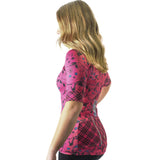
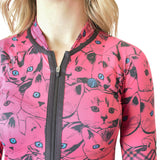
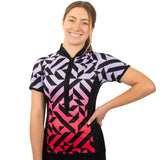
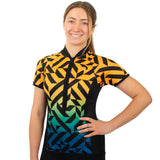
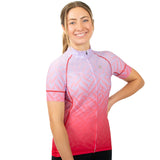
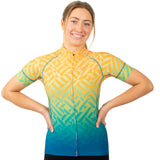
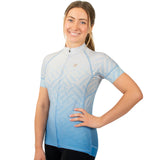
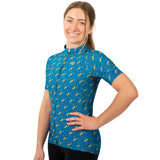
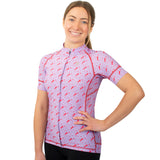
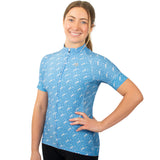
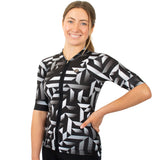
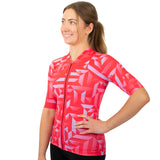
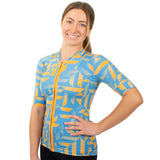
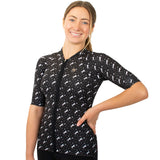
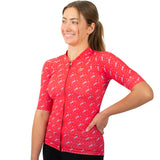
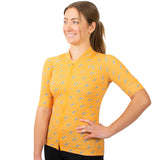
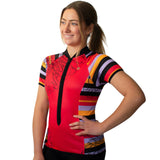
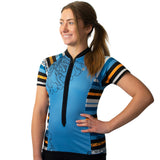
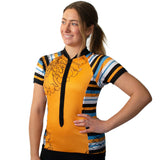
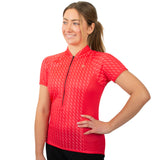
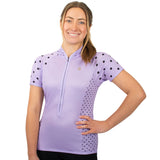
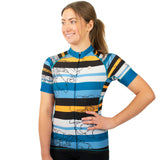
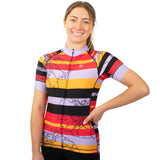
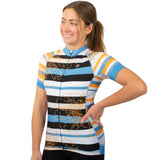
Using these guidelines, let’s explore how Shebeest’s collections deliver on functionality. The Bellissima and Sheena collections are designed with performance and comfort in mind, offering features that cater to both recreational and competitive cyclists.
The Bellissima collection includes versatile pieces that transition seamlessly from cycling to everyday activities. These garments use moisture-wicking synthetic fabrics that provide gentle compression while maintaining excellent breathability. Flatlock seams help minimize chafing, making them ideal for longer rides or for cyclists with sensitive skin.
The Sheena collection emphasizes high-performance features, including targeted compression zones and advanced breathability panels. With four-way stretch fabrics, these pieces move with your body, offering muscle support during intense efforts. Both collections are tailored specifically for women, incorporating chamois systems designed for female anatomy. These systems feature strategic padding placement and moisture-wicking treatments for added comfort.
Pricing for these collections is as follows: cycling shorts range from $60 to $120, while jerseys are priced between $70 and $130. Recreational cyclists will appreciate the comfort and breathability of these designs, while competitive riders can rely on their firm support and advanced features.
Key Points About Technical Fabrics for Women Cyclists
Technical fabrics play a vital role in enhancing performance and comfort for women cyclists. These materials are designed to tackle specific challenges, including moisture management, temperature regulation, muscle support, and skin protection, ensuring a smoother and more enjoyable ride.
Breathability is one of the most important aspects of cycling apparel. These fabrics are designed to wick away sweat and improve airflow, helping to regulate body temperature and keep skin cool, even during intense rides. Compression is another key feature, offering muscle support and reducing fatigue when used correctly. The trick lies in finding the perfect fit - compression gear should provide support without restricting blood flow. Women’s cycling apparel must also account for different body shapes and pressure points to deliver the best fit.
Chafe Reduction is critical for avoiding discomfort and potential issues like saddle sores, skin irritation, and even infections. Padded cycling shorts, worn without underwear, are particularly effective at minimizing pressure and reducing the risk of vaginal and urinary tract infections.
However, it’s important to note that some individuals may experience allergic reactions to synthetic fabrics like spandex. Opting for high-quality spandex can help minimize these reactions. Additionally, thoughtful design elements, such as seam placement and adequate coverage, further contribute to overall comfort.
When choosing cycling gear, prioritize apparel that excels in moisture management, provides well-balanced compression, and offers dependable chafe protection. These features work together to boost both performance and comfort on the bike.
FAQs
How can I choose the right compression level for cycling?
Choosing the right compression level for cycling largely depends on what you’re aiming to achieve and how comfortable you want to feel. Moderate compression (15-20 mmHg) works well for supporting your muscles during rides and promoting better circulation without being overly tight. For recovery or casual daily wear, lighter compression (8-15 mmHg) tends to be more comfortable. On the other hand, if you’re dealing with specific concerns like swelling or varicose veins, you might need higher compression (20-30 mmHg).
Your compression gear should fit snugly but never feel overly tight or restrict your movement. To get the best fit, always check the manufacturer’s sizing chart - it’s key to ensuring both comfort and performance.
How can I care for my technical cycling fabrics to keep them performing their best?
To keep your technical cycling gear in great shape, stick to a few simple care tips. Use a mild detergent and steer clear of fabric softeners, bleach, or harsh chemicals - they can break down the fibers and hurt the performance of your apparel. Wash with cold or lukewarm water (around 86°F), turn your clothes inside out, and let them air dry away from direct sunlight or heat. This helps maintain their elasticity and moisture-wicking abilities.
Make it a habit to wash your cycling gear after every ride. This prevents bacteria buildup and keeps odors at bay. Skip the dryer, as high heat can weaken the fabric over time. By following these steps, your cycling apparel will stay breathable, supportive, and ready for your next adventure.
How can I prevent chafing during long cycling rides?
To keep chafing at bay during long rides, invest in padded cycling shorts or bibs with a well-crafted chamois for extra comfort. Adding a layer of chamois cream or anti-chafing balm can work wonders in cutting down on friction and irritation.
Another key factor is your saddle setup. Ensuring it’s adjusted to suit your body can make a big difference by reducing pressure points. Choose moisture-wicking, form-fitting clothing made from technical fabrics to help keep your skin dry and comfortable. Steer clear of cotton, as it holds onto moisture and can lead to discomfort. Lastly, keeping the area clean and dry both before and after your rides is crucial to avoiding irritation and saddle sores.