



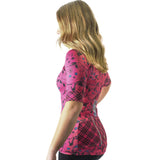
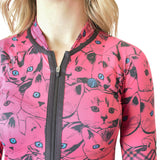
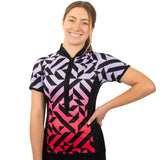
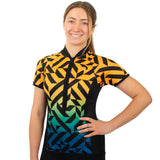
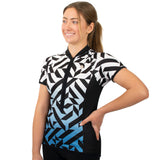
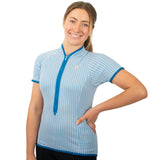
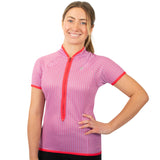
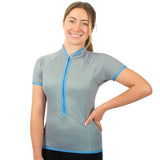
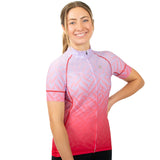
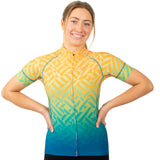
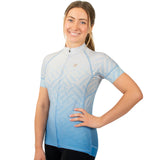
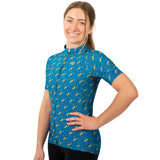
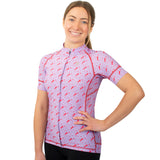
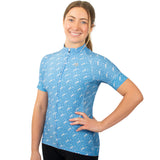
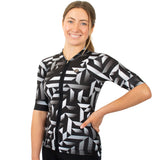
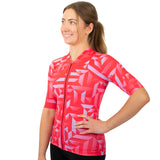


Cycling all year round is easier when you master layering. The key is using the right combination of base, mid, and outer layers to handle sweat, maintain warmth, and protect against weather changes. Here's a quick breakdown:
- Base Layers: Manage sweat. Use Merino wool for cold rides, synthetics for hot days, and bamboo for mild weather.
- Mid-Layers: Provide warmth. Opt for thermal jerseys or fleece tops in cooler conditions.
- Outer Layers: Shield from wind and rain. Look for windproof, water-resistant jackets with good ventilation.
For temperatures:
- 50°F–65°F: Lightweight base and mid-layers, with arm or knee warmers.
- 30°F–50°F: Long-sleeve base layers, thermal jerseys, and windproof jackets.
- Below 30°F: Insulated base layers, heavy jackets, and full winter gear.
Shebeest offers women-specific cycling apparel designed for comfort and performance, making layering easier. Focus on choosing pieces that fit well and suit your riding conditions. Always check the forecast and bring layers you can adjust mid-ride to stay comfortable.
The 3-Layer System Explained
Getting the most out of your cycling gear starts with understanding the purpose of each layer. The three-layer system is the cornerstone of cycling apparel, with every layer playing a unique role: the base layer handles moisture, the mid-layer keeps you warm, and the outer layer shields you from the elements. Together, they create a personal microclimate that adjusts to changing conditions, helping you stay comfortable and perform your best on any ride.
Base Layer: Moisture Management
The base layer sits directly against your skin, working to wick away sweat and maintain a stable body temperature. Fabrics like Merino wool or synthetic blends are excellent choices for managing moisture effectively.
Fit is crucial here - your base layer should feel snug, almost like a second skin. Shebeest designs base layers specifically for women, ensuring a comfortable fit that supports long rides without irritation.
Once moisture is under control, the mid-layer steps in to keep you warm.
Mid-Layer: Insulation and Breathability
The mid-layer traps warm air close to your body while allowing moisture to escape, offering warmth without unnecessary bulk. This layer is especially handy for cooler rides, providing the flexibility you need as temperatures fluctuate. Shebeest's mid-layers are tailored to fit women comfortably, ensuring full mobility and reliable warmth in brisk conditions.
With warmth taken care of, the outer layer completes the system by protecting you from the weather.
Outer Layer: Weather Protection
The outer layer acts as your shield against wind and light rain, keeping the other layers functioning properly. Instead of adding warmth, it focuses on creating a barrier to protect you from the elements. Shebeest’s outerwear strikes a balance between breathability and protection, making it a smart choice for unpredictable weather conditions.
How to Choose Base Layers for Each Season
Picking the right base layer can make a huge difference in your cycling comfort. It all comes down to managing moisture, maintaining the right temperature, and ensuring the coverage matches the weather. Shebeest's base layers are specifically crafted for women, offering a tailored fit that moves with you while delivering reliable performance year-round.
Fabric Guide: Choosing the Best Material
Merino wool is your go-to for cooler weather. This natural fiber automatically adjusts to your body temperature, keeping you warm when it's chilly and cooling you off when you heat up. Plus, it naturally fights odors, making it ideal for long rides or multi-day trips. Unlike the scratchy wool of the past, merino wool is soft and gentle against your skin.
Synthetic blends excel in warmer weather or during intense rides. These fabrics wick moisture faster than natural fibers, keeping you dry on hot summer days or during tough climbs. Polyester-based materials, in particular, dry quickly, which is a lifesaver if you get caught in light rain or work up a serious sweat.
Bamboo fiber offers a middle ground between wool and synthetics. It has natural antibacterial properties and feels silky smooth on your skin. Bamboo is great for mild temperatures and seasonal transitions, but it doesn’t perform as well as wool in freezing conditions or synthetics in extreme heat.
Shebeest combines moisture-wicking synthetics with natural fibers in their technical blends, creating versatile base layers that perform well across a range of temperatures.
When choosing your fabric, don’t overlook design features like sleeve length - they play a big role in optimizing your base layer for the weather.
Sleeve Length: Adapting to the Conditions
Sleeveless base layers are perfect for temperatures above 70°F or indoor training. They manage moisture at your core without adding extra fabric that could trap heat. Sleeveless designs also layer seamlessly under short-sleeve jerseys, avoiding any bulk around your shoulders.
Short-sleeve base layers shine in moderate weather, typically between 55°F and 75°F. They provide more coverage than sleeveless options while still allowing your arms to breathe. This makes them a great choice for early morning rides, where it might start cool but warm up as the day progresses.
Long-sleeve base layers are essential when the temperature dips below 55°F. They help maintain your core warmth and protect your arms from wind chill, especially during fast descents or exposed stretches of a ride. Long sleeves are also a solid foundation for layering in colder conditions.
Shebeest’s women-specific designs ensure sleeves fit just right - no bunching, no gaps - while staying snug against your skin for optimal moisture control.
Rather than relying on a single base layer for all conditions, it’s smart to have a variety of sleeve lengths in your cycling wardrobe. A lightweight long-sleeve for cool mornings, a short-sleeve for moderate days, and a sleeveless option for hot weather give you the flexibility to adapt to whatever the ride throws at you.
The right base layer doesn’t just add comfort; it sets the stage for the entire 3-layer system, keeping you dry and comfortable no matter the weather.
sbb-itb-5406885
Layering Tips for Different Weather Types
Mastering the art of layering can make all the difference when cycling in various weather conditions. By tailoring the 3-layer system to specific temperatures and weather scenarios, you can stay comfortable, dry, and protected on your ride. Here's how to adjust your gear for different conditions.
Mild Weather (50°F–65°F)
This temperature range is great for cycling but can fluctuate. Start with a short-sleeve synthetic or lightweight merino base layer. The goal is to wick moisture effectively without adding unnecessary bulk.
For your mid-layer, go with a lightweight cycling jersey that has ventilation features like mesh panels or a full-length zipper. This allows you to adjust airflow as needed. If you're heading out early when temperatures are closer to 50°F, a light vest can help. It's easy to remove and stash in your jersey pocket once the day warms up.
Skip the outer layer unless there's wind or light rain. Instead, use arm warmers and knee warmers for extra flexibility. These can be removed mid-ride without needing to stop and fully change layers.
As temperatures dip, you can adjust by adding slightly warmer options to your setup.
Cold Weather (30°F–50°F)
When the weather gets colder, layering becomes more critical. Start with a long-sleeve merino wool base layer. It should fit snugly to regulate your temperature and wick away sweat effectively.
For your mid-layer, choose a thermal cycling jersey or light fleece top. These materials trap warmth while allowing moisture to escape, keeping you dry and comfortable. Avoid cotton - it holds onto moisture and loses its insulating ability when wet.
The outer layer is essential in this range. A windproof cycling jacket with ventilation zippers can block cold air while letting you control airflow. Pick a jacket with a close fit to reduce drag but ensure it doesn’t restrict movement.
Don’t forget about your legs. Thermal tights or winter cycling pants with wind-resistant panels will shield your lower body from the cold. Many cyclists make the mistake of over-layering their upper body while neglecting their legs, which can lead to discomfort on longer rides.
Very Cold Weather (Below 30°F)
Riding in extreme cold demands a more robust approach. Start with a heavyweight merino wool base layer that covers your torso and arms. Alternatively, some cyclists prefer two thin base layers to create insulating air pockets.
Your mid-layer should provide serious warmth. Choose a thermal fleece jersey or an insulated cycling jacket with materials like synthetic insulation or down alternatives. These retain warmth even when compressed under your outer layer.
The outer layer becomes your main defense against the elements. Look for a heavy-duty windproof and water-resistant jacket with features like sealed seams, storm flaps, and adjustable cuffs to keep cold air out. Make sure it’s long enough to cover your lower back while riding.
For your legs, insulated cycling tights with windproof panels are essential. On particularly frigid days, add thin base layer bottoms underneath. Protect your feet with shoe covers or winter cycling boots to keep out both cold and road spray.
Heat loss from your head and hands is significant in these conditions. A thermal balaclava or a heavyweight cycling cap under your helmet will help retain heat. Wear insulated, windproof gloves that are warm but still allow you to operate your bike controls safely.
Rainy Conditions
Rainy rides require a shift in focus - from warmth to staying dry while maintaining breathability. Wet clothes lose their insulating ability, so keeping moisture at bay is key.
Start with a synthetic base layer, as it dries faster and wicks moisture better than wool when wet. Choose a base layer with a close weave to prevent water absorption.
For your mid-layer, go for a lightweight, breathable jersey. Minimize layers that could become waterlogged. If it’s cold and rainy, a water-resistant softshell jacket can provide both warmth and protection.
Your outer layer is your first line of defense. A fully waterproof cycling jacket with sealed seams and waterproof zippers is a must. Look for options with ventilation zips under the arms to prevent overheating while still keeping rain out.
Accessories are crucial in wet weather. Waterproof gloves and shoe covers will keep your hands and feet warm and dry, which is vital for maintaining control of your bike. Consider waterproof socks or liners for an extra layer of protection.
A lightweight rain cap with a small brim can fit under your helmet to keep rain off your face and glasses. While not technically clothing, bike fenders can drastically reduce road spray, keeping your legs and back drier.
In rainy conditions, you’ll inevitably get damp from sweat, but the goal is to avoid being soaked by rain. Stick to quick-drying materials that perform well even when wet, and you’ll stay as comfortable as possible.
Building Your Cycling Wardrobe with Shebeest

Crafting a cycling wardrobe that works across seasons starts with choosing pieces that layer effortlessly. Shebeest specializes in women-specific cycling apparel, blending technical performance with tailored designs for effective layering, no matter the weather.
"Designed by women riders for optimal fit and performance."
Here’s a closer look at some standout Shebeest pieces that demonstrate this thoughtful layering approach.
Mid-Layer Must-Have: The Divine Jersey
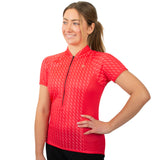
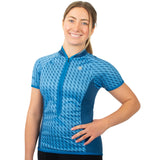
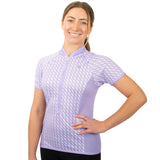
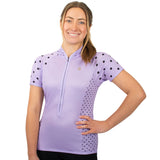
The Tonal Houndstooth Divine Jersey, available for $107.00 (discounted from $142.00), is a versatile mid-layer option. It’s made with a "Cool Touch" fabric blend (91% polyester, 9% spandex) and "Sportsylk" material, offering a soft, silky texture. This jersey doesn’t just feel great - it’s practical too, with UPF 30+ sun protection, moisture-wicking properties, and three back pockets for storage. Plus, it boasts a perfect 5.0 rating from verified buyers, making it a favorite for both performance and style.
Outer Layer Defense for Tough Rides
For those unpredictable weather days, Shebeest’s outerwear has you covered. The Shadow Jacket features a 2.5-layer construction with a techno-coated backing, designed to block wind while allowing heat and moisture to escape. Alternatively, the Venetian Veneer and Polka Dot Veneer Jackets provide lightweight, translucent protection with a durable water-repellent (DWR) finish and zippered pockets for added convenience.
All Shebeest jackets are equipped with 360-degree reflective trim, ensuring you stay visible during early morning or evening rides. These jackets not only shield you from the elements but also integrate seamlessly into your layering system.
Designed for Multi-Season Comfort
Shebeest outerwear is tailored with extra room to layer, making it easy to combine with base and mid-layers for colder rides. Thoughtful design features like articulated cuts for mobility, extended tail coverage, and zippered storage pockets enhance comfort and functionality during long rides.
Caring for Your Gear
To keep your Shebeest apparel in top shape, wash items inside out on a cold cycle, air dry them, and skip fabric softeners. For jackets, reapply waterproofing spray as needed to maintain their protective qualities.
Layering Tips for Any Weather
When building your complete layering system, choose outer layers that comfortably fit over your base and mid-layers without restricting movement. If you’re unsure about sizing, consider going up a size, especially for jackets. For temperatures below 40°F, pair your Shebeest gear with accessories like gloves, booties, and head coverings to stay warm, as these jackets are designed for cool but not extreme cold conditions.
Conclusion: Ride Comfortably in Any Weather
To stay comfortable on your ride, no matter the weather, layering is your best friend. By combining moisture-wicking base layers, insulating mid-layers, and protective outer shells, you can maintain an ideal body temperature-whether you're climbing in 35°F or riding through an unexpected downpour. Understanding how fabrics work together and choosing the right pieces will help you feel great from the first mile to the last.
Shebeest offers women-specific cycling apparel that simplifies the layering process. Their designs feature tailored fits and technical elements that enhance performance and comfort. To build your system, consider starting with Shebeest cycling shorts and jerseys, then expand with versatile tops like those from the Bellissima or Sheena collections. These pieces deliver both function and style for a variety of conditions.
Preparation is the secret to successful multi-season riding. Always check the forecast, study your route’s elevation, and bring layers you can adjust as needed. Keep in mind that your body temperature will change throughout the ride - what feels just right during your warm-up might be too much after an hour of climbing.
Armed with these layering strategies and thoughtfully designed gear, you're ready to take on whatever weather comes your way. Don’t wait for perfect conditions - get out there and enjoy the ride, no matter the season.
FAQs
How can I choose the right layers for cycling in different weather conditions?
When gearing up for a cycling trip, choosing the right layers can make all the difference. The key is to match your clothing to the weather and the intensity of your ride.
Start with a base layer designed to wick away sweat. For warm days, stick to lightweight materials, while colder rides call for something like thermal fabric or merino wool to keep you warm. Next, consider an insulating mid-layer - a fleece or long-sleeve jersey works well when the temperature starts to dip. Finally, top it off with a windproof and water-resistant outer layer to shield yourself from wind, rain, or even snow.
Keep an eye on the forecast and adjust your layers accordingly. If you're pushing yourself with a high-intensity ride, you might need fewer layers to avoid overheating. The goal is to stay comfortable, maintain proper temperature control, and be ready for any weather changes that come your way.
What makes Shebeest’s women-specific cycling apparel ideal for layering during multi-season rides?
Shebeest’s cycling apparel is tailored specifically for women, focusing on the unique needs of female cyclists. With an emphasis on moisture-wicking fabrics, temperature control, and breathability, their gear is designed to keep you dry and comfortable, no matter how long or challenging the ride.
The thoughtful choice of materials and smart design make layering a breeze. You can easily mix and match base layers, mid-layers, and outer layers to suit the weather and your activity level. Whether it’s a brisk fall morning or a sunny spring ride, Shebeest ensures you stay warm, well-ventilated, and free to move without restriction.
How can I keep my cycling gear in great shape for year-round use?
To keep your cycling gear in top shape year-round, start by giving it a good wash after every ride. Use a gentle detergent to clean away sweat and grime while preventing bacteria buildup. Steer clear of harsh chemicals or fabric softeners, as they can weaken the performance of technical fabrics.
When it comes to storage, keep things simple but effective. Either hang or fold your gear neatly in a cool, dry spot, away from direct sunlight. This helps prevent fading and protects against moisture damage. Choosing gear made from durable materials - such as moisture-wicking synthetics, windproof layers, and water-resistant fabrics - can also make a big difference in how long your apparel lasts. With proper care, these materials will continue to perform well ride after ride.
A little effort goes a long way. Regular cleaning and thoughtful storage will ensure your cycling gear is always ready to hit the road, no matter the season!